Unveiling the Past: Exploring Historical Facts, Figures, and Timelines
History is a vast tapestry, intricately woven with the stories of civilizations, monumental historical events, and legendary figures. But have you ever wondered how we know so much about the past? How did historians 100 years ago uncover world history without the internet, or even how scholars in ancient times documented historical facts? From scrolls to screens, the evolution of historical research is a fascinating journey through time, showcasing how the methods of uncovering our past have transformed dramatically.
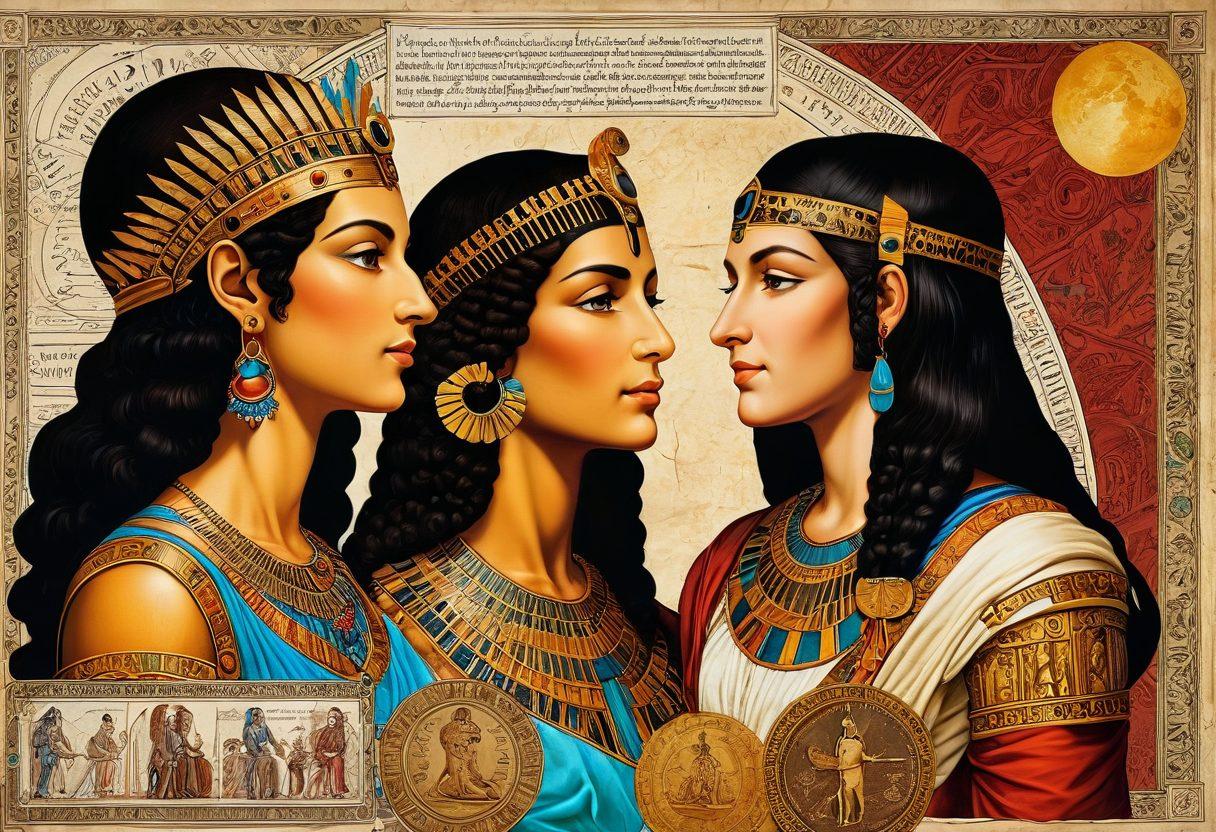
In ancient history, knowledge was preserved in the form of scrolls and tablets, often inscribed with intricate carvings or beautiful script. These historical texts serve as primary sources that offer us direct windows into the past. Consider the Dead Sea Scrolls or the Epic of Gilgamesh; such documents are precious repositories of cultural history and provide crucial insights into the lives, beliefs, and events of bygone eras. Archaeology plays a pivotal role in unearthing these historical archives, helping historians piece together the grand puzzle of world history.
Fast forward to the Middle Ages, and historical research encountered a transformation. Monks and scholars meticulously copied manuscripts by hand in monasteries, creating secondary sources that expanded upon earlier works. Medieval history is rich with chronicles and religious texts that shaped the historical narratives of their time. But it wasn’t just in the monasteries. Popular historical figures like Marco Polo and Ibn Battuta became early 'travel bloggers' of their age, documenting their journeys and the historical facts they encountered, thus enriching our understanding of various historical periods.
The leap from medieval history to modern history marked the dawn of the printing press, invented by Johannes Gutenberg. This revolutionary device democratized knowledge, making historical texts more accessible than ever. Suddenly, historical figures, timelines of history, and events were no longer confined to the elite. Books, historical documents, historical maps, and biographical accounts were disseminated widely, fostering a surge in historiography and historical analysis. The advent of modern historical journals and societies further propelled the study of past events, allowing for a more rigorous and structured examination of historical data through secondary sources.
Today, we stand in an age where the historical research landscape has been transformed once again, this time by digital screens and the internet. Historical databases, online archives, and digital libraries have revolutionized history education. With just a few clicks, anyone can access primary sources, historical timelines, and biographies of historical figures from across the globe. But with this ease comes the challenge of discerning credible historical resources from dubious ones. As history aficionados, it’s crucial to engage with reliable historical journals and resources to ensure the integrity of our understanding and storytelling. So, the next time you delve into a historical narrative, remember the incredible journey from scrolls to screens that has made it possible.
Timelines and Turning Points: Decoding World History through Key Events
History could be likened to a vast, intricate tapestry, woven together by countless people, places, and events. Imagine walking through the dense corridors of time, unraveling one significant period after another. But where do we start? Enter timelines and turning points. These serve as a roadmap, guiding us through the labyrinth of world history, highlighting the pivotal moments that defined the course of humanity. Understanding these key events is a cornerstone of historiography, the study of how history is written and interpreted.
Timelines in world history are not just dry lists of dates and names. They're vibrant narratives that tell the story of our shared past. From the dawn of ancient history, marked by the Mesopotamian civilization, to the defining epochs of medieval history, such as the fall of Constantinople, each period holds clues to where society has been. Modern history, with its Industrial Revolution and World Wars, brings us closer to understanding how we arrived at the present day. As historical research advances, new findings often reframe these timelines, reshaping our grasp of historical facts.
Have you ever wondered how historians piece together the past? The answer lies in historical archives and the wealth of historical documents they contain. Primary sources, like letters, diaries, and photographs, provide firsthand accounts, while secondary sources analyze and interpret these accounts. Through meticulous examination of these historical texts, archaeologists and historians decode the stories embedded within them, offering insights that are both vivid and reliable. These chronicles not only inform us about historical events but also enrich our understanding of cultural history.
Consider the monumental turning points in world history, such as the signing of the Magna Carta, the discovery of the New World, or the fall of the Berlin Wall. These events didn't just happen in isolation; they were the result of complex interplays between various historical figures, societal forces, and historical periods. They acted as catalysts for change, steering the direction of cultural and political narratives. Analyzing such turning points provides a deeper grasp of historical analysis and helps us appreciate the undercurrents that influence societal transformation.
History education is much more than the memorization of dates and events; it's an exploration of human experience. Historical societies and journals dedicate themselves to uncovering new historical data and sharing their findings through detailed historical narratives. Whether through biographies of influential figures or examinations of historical maps that chart the evolution of territories, these resources make history tangible. So next time you dive into a history book, remember—you're not just reading about the past; you're journeying through the timeline of history, discovering the key events that have shaped our world.
Unsung Heroes and Iconic Figures: Biographies that Shaped Historical Narratives
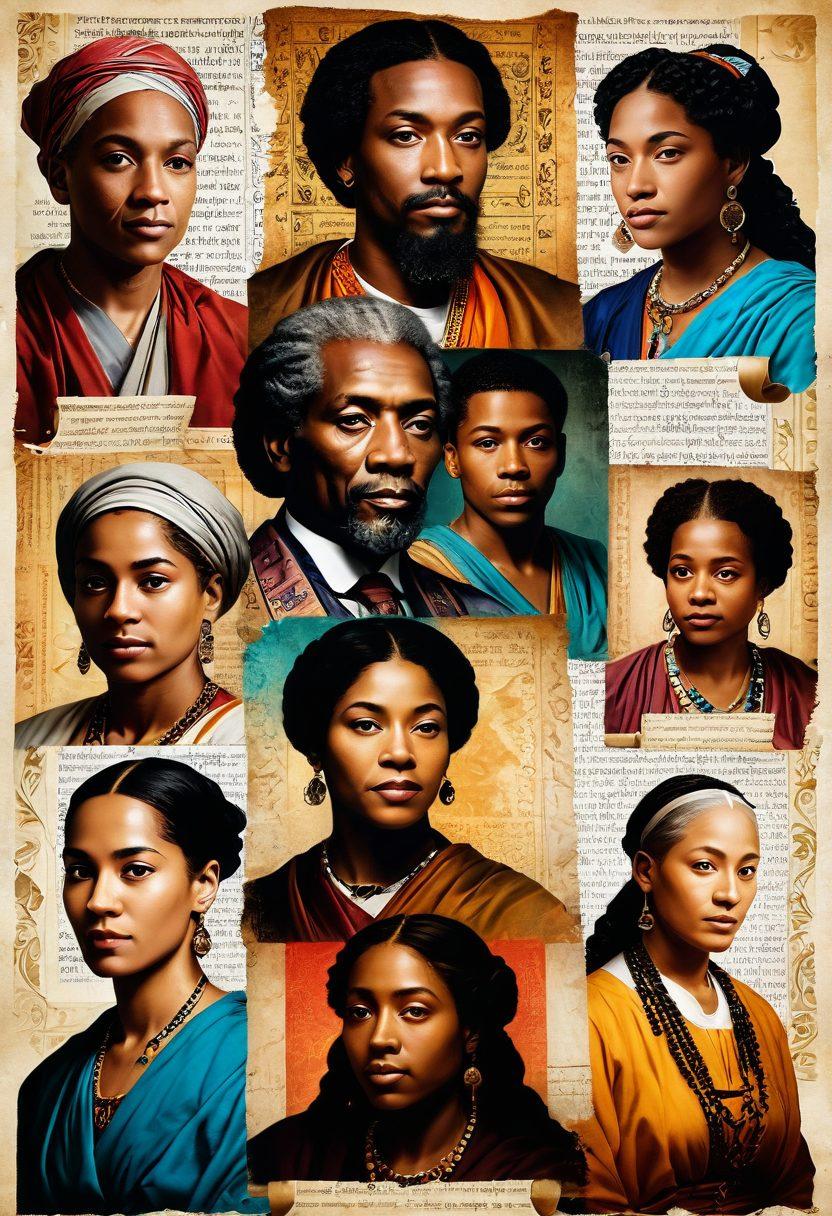
History isn't just a collection of dates and events; it's a tapestry woven from the lives of countless individuals who have shaped our world in extraordinary ways. Have you ever wondered about the unsung heroes and iconic figures who have directed the course of history? The biographies of these historical figures reveal captivating stories of bravery, intellect, and determination that often escape the limelight. These stories are more than just footnotes in massive tomes; they are the beating heart of historiography and the bedrock of our collective human experience.
Think about Harriet Tubman, the indomitable force behind the Underground Railroad. Her daring endeavors to lead enslaved people to freedom have elevated her to iconic status, yet many of the finer details of her story remain buried in historical archives. Imagine the courage it took to navigate hostile territories with bounty hunters lurking around every corner. Tubman’s life is an epitome of resilience, a vivid chapter in the timeline of history that deserves our attention and admiration.
Biographies serve as windows into different historical periods, offering nuanced understandings of world history. When we delve into the life of Genghis Khan, we're not just learning about a conqueror; we’re uncovering the rich tapestry of medieval history and cultural history of the Mongolian Empire. Similarly, examining the struggles and achievements of lesser-known figures, such as Murasaki Shikibu, the Japanese author of the world's first novel, opens up new dimensions in our understanding of ancient history. Their stories, preserved through primary sources and historical documents, guide us through the intricacies of the past with unparalleled precision.
Historical research often leads us to remarkable discoveries hidden in historical texts and historical resources. From the excavation sites in ancient Rome to the modern archives containing stories of World War II resistance fighters, the field of archaeology continuously unearths treasures that redefine our views on historical figures. These discoveries are not just academic; they possess the power to inspire and educate, supplementing our current historiography with richer, more diverse narratives.
But how do these biographical narratives shape historical analysis and education? As historian Natalie Zemon Davis once said, 'A life is more than a line of events.' In history education, incorporating biographies makes historical events more tangible and relatable. When students learn about Marie Curie's struggle and triumphs in the male-dominated field of science, they not only grasp the historical data but also connect emotionally, understanding the broader social and cultural contexts. Examining individuals through biographies allows us to map their contributions on historical timelines, making history accessible and engaging for all.
In summary, exploring the biographies of unsung heroes and iconic historical figures breathes life into our understanding of world history. They offer more than mere history facts; they provide narratives that humanize historical data and enrich our collective memory. Through historical archives, primary sources, and dedicated historical research, we continue to uncover and celebrate these invaluable stories, ensuring that history is not just remembered but felt and experienced in its fullest depth.